remote·three sole proprietors·together since 2012

Two systems
that know nothing
about each otherAPI and payment gateway integration

We work remotely, for clients in any country. We connect things that were never meant to talk to each other: someone else’s API, a legacy exchange, a payment provider, your accounting system. On both sides of the bridge stands something that was not written for you.

02 — how it works

You will not change the other side

An integration is built not where it is convenient but where it is possible: someone else’s system cannot be rewritten, and everything it does wrong you will have to absorb yourself.

Hence the difference in estimates. “Connect payments” sounds like a single line item and turns out to be a body of work — because the point is not the connecting. The point is what happens when the response never came, came twice, or came wrong. Those cases are the integration; the rest is calling a method.

This territory belongs to Dumitru: backend, APIs, real-time exchange, payments — fourteen years, all of them on this side of the work. Architecture decisions and everything to do with servers belong to Andrei. Two of us work on the same backend territory, so an integration never stays the knowledge of one person.

how long an integration takes

One integration against a documented API — two to six weeks. Without documentation, or with hardware on the other side, longer — and how much longer is only visible once we have looked at it.

The schedule here depends not on us but on the other side: whether there is documentation, whether there is a test environment, and how quickly the people who keep that system answer. So we give a range after we have looked at the other side — not after we have read your spec.

03 — scope of work

What we do on this territory

An API for your product. One that will later be used by more than your own hands: partners, your mobile app, your next contractor. With documentation you can work from without asking us.

Integrations with third-party systems. Exchange with 1C and other accounting systems, warehouse, delivery, CRM — everything that has been running at your place for years and is not about to change.

Payments and acquiring. Card acquiring and cryptocurrency payments: we have built payments in BTC, ETH, ERC-20, BCH and LTC. Together with what happens on a decline, a double charge and a refund.

Real-time exchange. When data has to appear at once rather than on a refresh button: websockets, queues, webhooks.

Retries and queues. The other system is down for half an hour — orders are not lost; they wait and go through when it comes back.

An exchange log. What went out and when, what came back. Without it, a dispute with the other side turns into one word against another.

04 — evidence

Integrations and payments we have already built

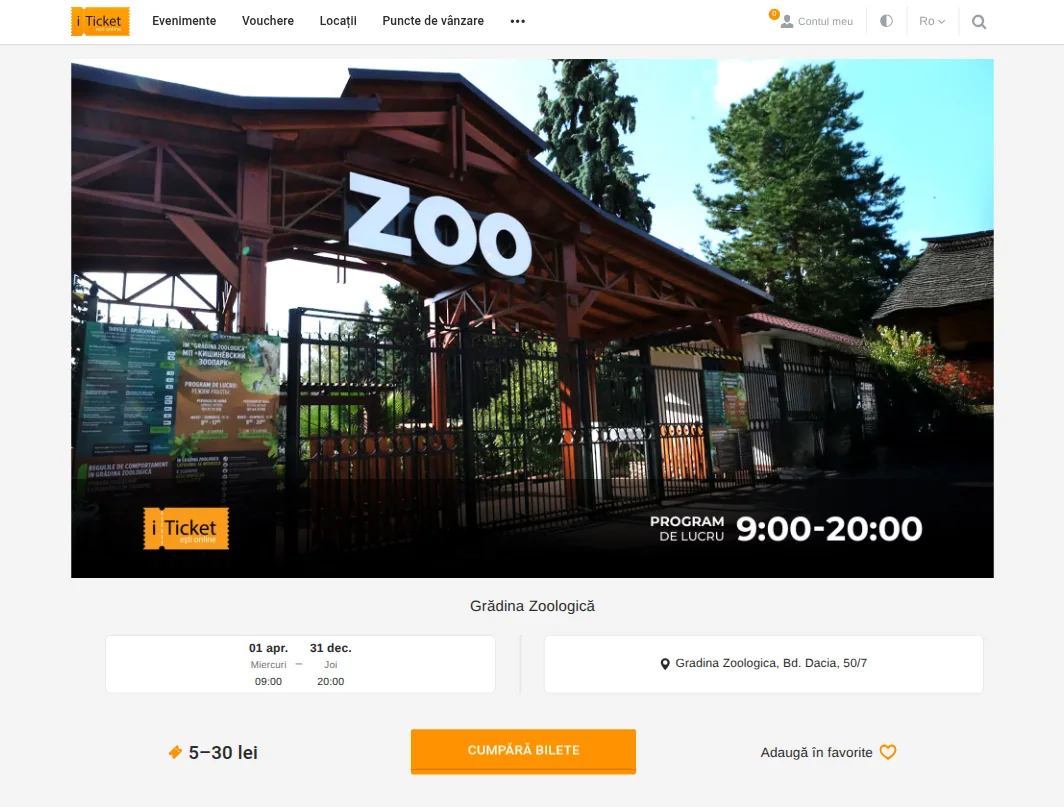
iTicket — ticketing platform with turnstile integration at the entrance iTicket — an event page with dates, venue, price and ticket purchase

iTicket — turnstiles

A ticketing platform for Moldova and Romania that we have been running for ten years. A ticket bought in the app has to open a turnstile at the entrance — and the turnstile stands at the venue, speaks its own protocol and cannot be rewritten. That is exactly the side you do not get to change.

hardware integrationentry by ticket10 years and counting
more about this project — the page on taking over
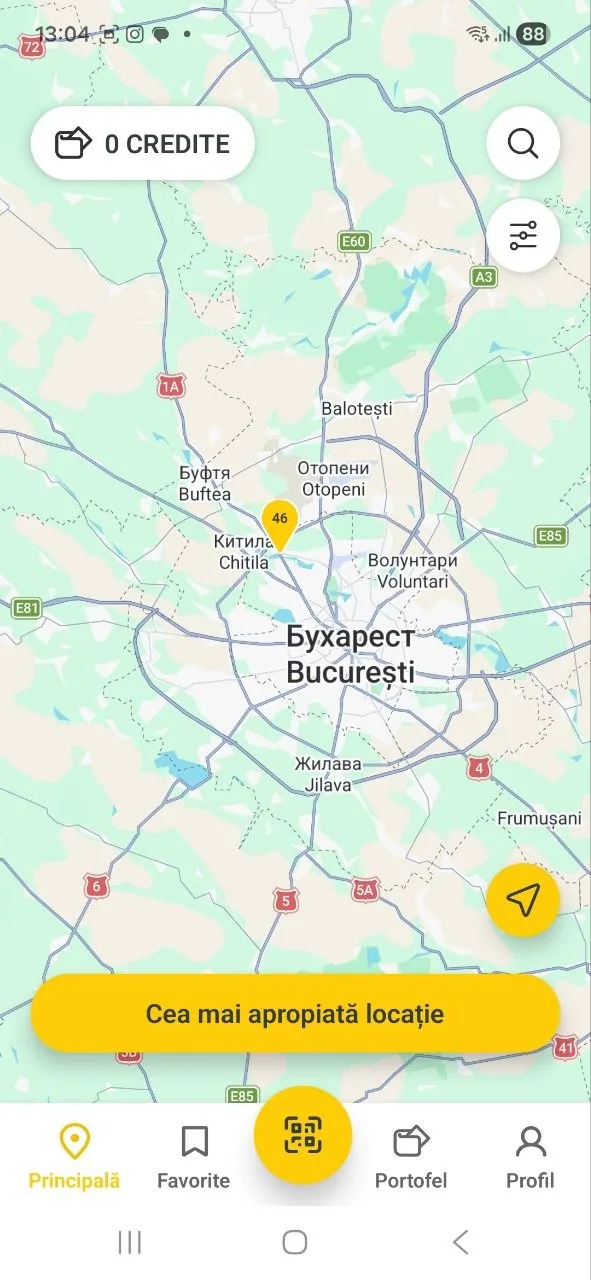
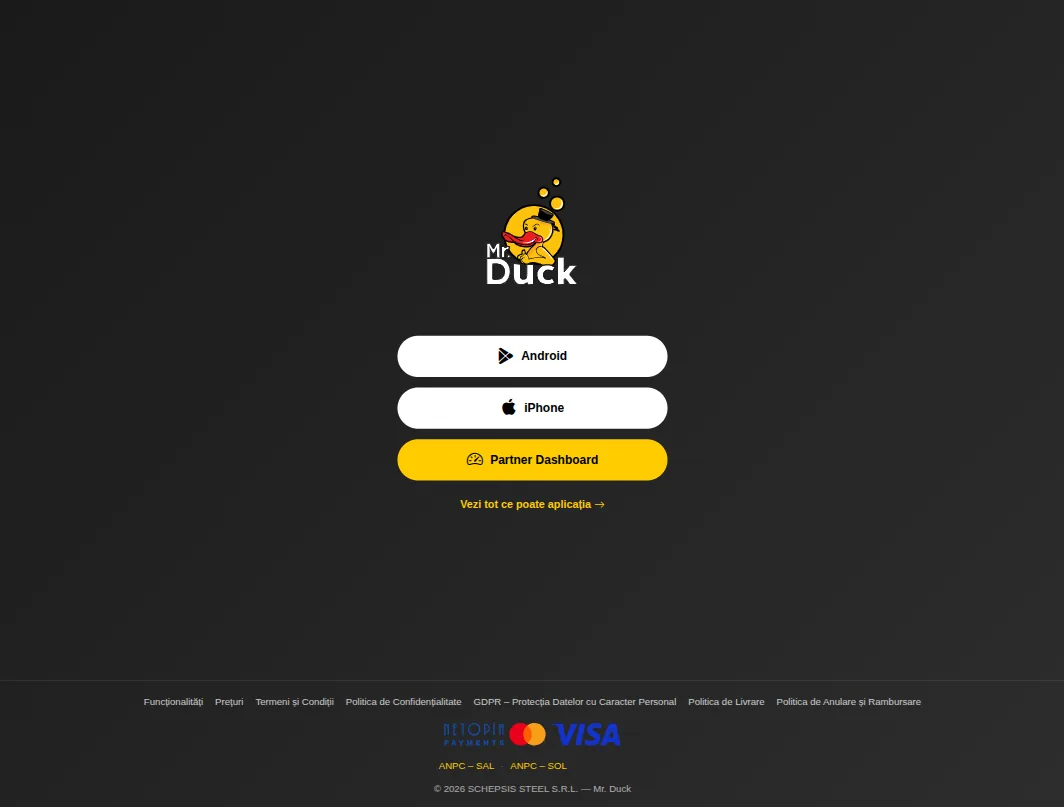
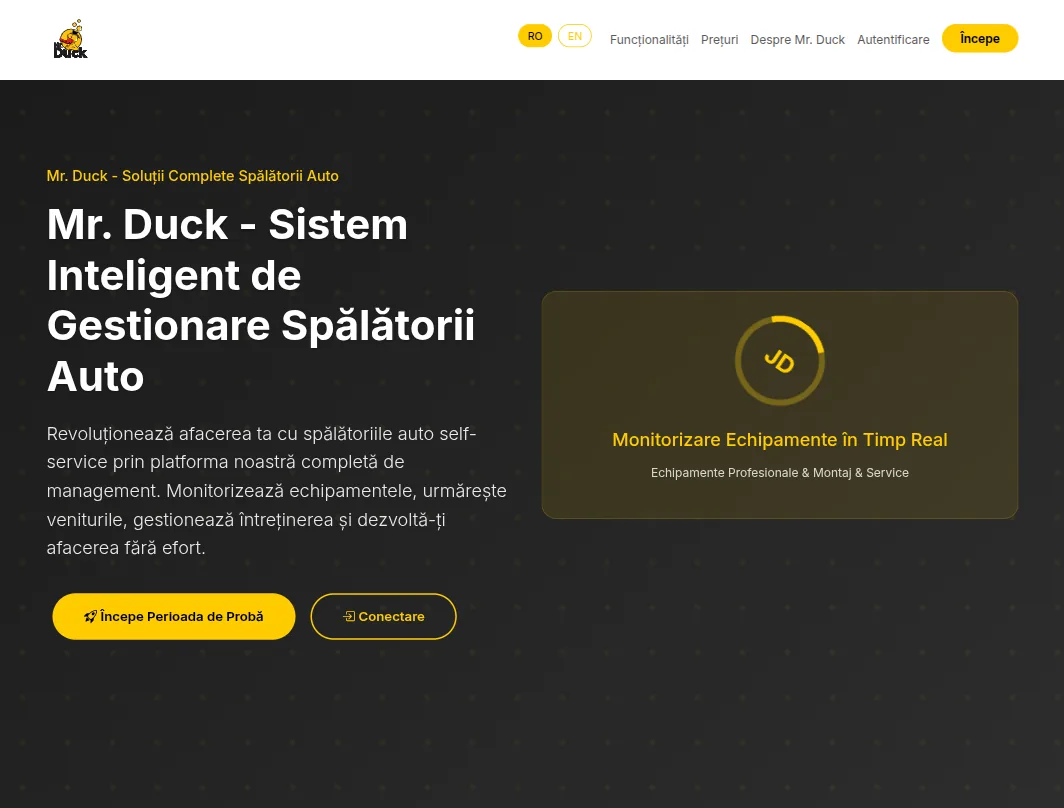
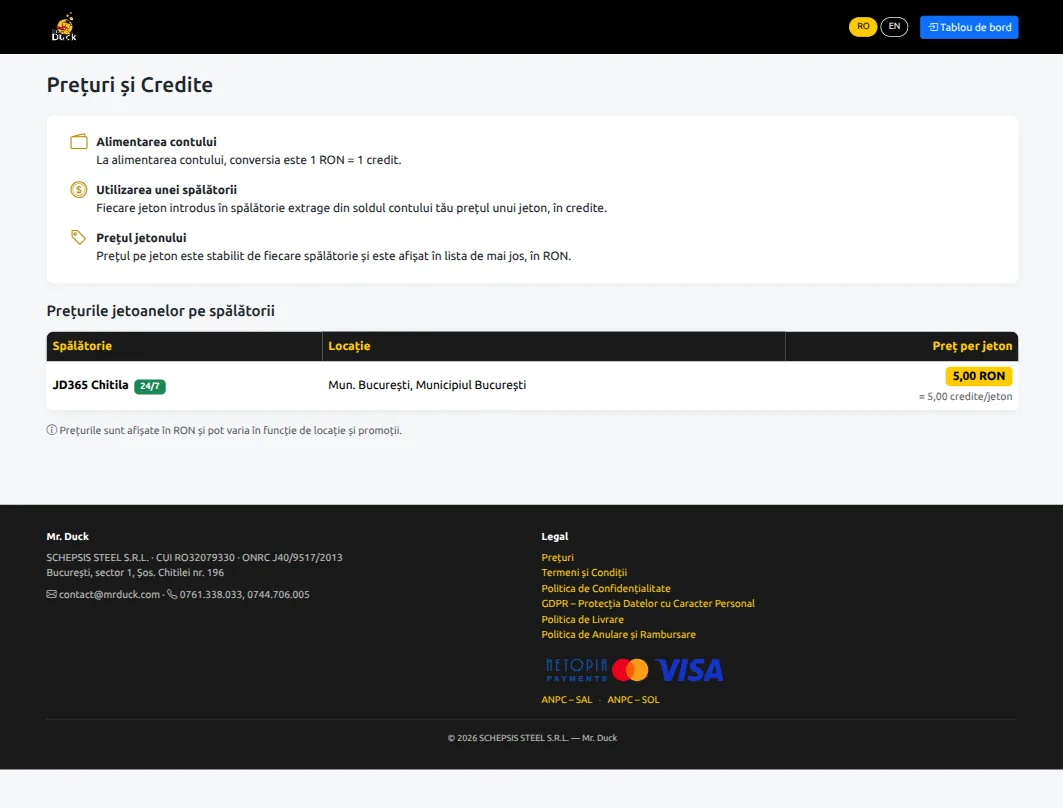
Mr. Duck — the driver app: a map of car washes around Bucharest, the credit balance and the “nearest location” button mrduck.com — public page with links to the apps and the partner portal mrduck.com — the site for wash owners: what the platform does, and the way into the partner dashboard mrduck.com — prices and credits: how the balance is topped up and what a token costs at each wash

Mr. Duck

SaaS for self-service car wash chains in Romania. The driver finds a wash on the map, sees free bays in real time, tops up an account and starts a bay from the phone — no tokens. The controller inside the machine was designed by the same team, so payment and the physical start are one flow. For chain owners — a multi-tenant portal with revenue and servicing.

driver appiOS + Androidown controllerpartner portalpayments
built as part of the Blue Twin Bit team

Payments and integrations are the part of the work that is hardest to show: it is not visible in a screenshot, and a significant part of our work is covered by agency NDAs. We have built crypto payments; we cannot yet name the projects where. Examples on request.

05 — process

How work on an integration goes

  1. 01You come with a technical spec.What connects to what, what has to happen and what already exists on whose side. That part is yours: without it there is nothing to count.
  2. 02We analyse it.We turn it into a document that leaves no questions and no double readings: what exactly we are building, and what we are not. For an integration this is also where the things nobody usually writes down go: what counts as an error and who will see it.
  3. 03We look at the other side.The documentation of the third-party API, access to a test environment, whatever already exists at your end. An estimate without this would be an estimate of one half of the bridge.
  4. 04An estimate in hours — from the finished spec.The numbers are counted from a document you have read and approved. Counting hours from a description of an idea is guesswork you pay for. Here the description of an idea gains a second half: without the other side’s documentation the estimate would be guesswork twice over.
  5. 05You see where the time goes.Tracked in Toggl, the report open to you: once a month — hours by task, what is done, what comes next. You are billed for hours worked, not in advance.
  6. 06Launch — then support or handover.An integration lives exactly as long as the other side stays the same. We can stay and watch that, or hand the work over cleanly to your team.
06 — plainly

What we do not promise in integrations

We do not promise that an integration is done forever. A third-party API is changed without our consent and may be changed without warning; the question is not whether that happens but who is around when it does.

We do not quote a price before the spec and before the other side’s documentation. Especially here: half the work sits inside someone else’s system, and estimating it blind means guessing at your expense.

Buffer time goes into the estimate but not into the invoice: you pay for hours worked. If the work takes less, you pay less. More on how hours are counted — on the home page.

07 — common questions

Common questions about APIs, integrations and payments

What do you need in order to estimate an integration?

A technical spec from your side and documentation from the other side — better still, access to its test environment. An estimate without the second is an estimate of half the work.

How long does an integration take?

Two to six weeks if the other side has documentation. If it does not, or if there is hardware on the other side, longer — and how much longer is only visible after we have looked: the schedule here depends on someone else’s system no less than on us.

And if the other side has no documentation?

We take it on, but it is a different body of work: we will have to work it out from what the system actually replies. We say so before the estimate, not after.

Which payments do you set up?

Card acquiring and cryptocurrencies: BTC, ETH, ERC-20, BCH and LTC, from our own experience. Which providers are available to you depends on the task and on the country where everything runs: what is ordinary in one country may not be available at all in another.

Do you build exchange with 1C and other accounting systems?

Yes — exchange with 1C is the most common integration after payments, and with other accounting systems it works the same way. The question is always the same: what exactly that system can send and receive. If it has an API or a scheduled export, we work with those; if there is nothing but a file export, the exchange is built around the file — that also works, it is simply more fragile.

What happens when the other side changes its API?

The breakage shows up at once and in the log, not a week later through missing orders: the exchange is written on the assumption that the other side will sooner or later change its API without warning. If we stay on support, we fix it; if we have handed over, your team sees the same thing in the same place.

What do you write APIs in?

Most often PHP with Laravel or Node.js with NestJS, real-time exchange through websockets and queues, all of it in Docker on Linux. The full list of what we work with is at the bottom of the page. If your backend rests on a technology that is not on that list, it is more honest to say straight away that we are not the right people.

Who owns the code?

You do. We work month to month and invoice for work already done, so repository access can be handed over at the start rather than at the end — there is no reason for us to hold the code until the final payment.

Will you sign an NDA?

Yes. A significant part of our current work is already under one.

What time zone and languages do you work in?

We work remotely with clients anywhere, time zone EET. We speak and write Romanian, Russian, English and Bulgarian.

08 — next

Tell us what needs connecting

Come with a technical spec and with whatever is known about the other side. We will rework it until no questions remain, and count the hours from that.

one address, all three of us

[email protected]

This is the way in. APIs, integrations and payments are answered by Dumitru.

To write to one of us directly — contacts on the home page.

If the task is a different one: a web app or internal system, an iOS and Android app, an online store, a website or landing page, taking over an existing project, making an existing site mobile-friendly.

Want to see who we are first — the home page: the three of us, what each one does, how we count hours and what we have already built.