
A
Nicu Andrei
tech lead and devops
Decides how it will be built. Architecture, choice of technology, adoption of new ones. Servers and deployment are his too. CTO since 2009, at two companies, leading developers.
19+ years
Each of us has 12 to 19 years of experience; the line-up is assembled around the task. A simple website is one of us. A product is all three, plus people we have worked with for years.
You pay for a project manager, an account manager and a designer whether or not your project needs them. The senior who negotiated with you is rarely the one who writes your code.
Cheaper, and you talk directly to the person doing the work. But it is one stack, one pair of hands and one point of failure: if they disappear, the project goes with them.
Three seniors, three specialisations, direct contact with each. There is nobody on your invoice who is not working on your project. And we cover for each other: two of us work on the same backend, two on the same mobile stack.
What we do not have: an account manager who calls you every Monday, and room for ten projects at once. We take on as much as we can carry to the end.
The things your business actually runs on: accounts, data, access rights, reports.
We connect systems that were never meant to talk to each other. Cards and crypto payments included.
Catalogue, checkout, payment and every integration behind them.
Written from scratch, not assembled in a page builder. Fast on a phone and on mobile data.
Someone built it and left. We read the code, tell you plainly what state it is in, and keep it running.
Does your site open on a phone as a shrunken copy? We make it easy to use on a phone without a redesign: the design, texts and structure stay. Fixed price, quoted before the work starts.
Pick what you are building. We will show who works on it — and who does not.
If a task does not need someone’s skills, that person is not on it. That is exactly what not being an agency means.
Decides how it will be built. Architecture, choice of technology, adoption of new ones. Servers and deployment are his too. CTO since 2009, at two companies, leading developers.
Everything under the hood. APIs, databases, integrations, real time, servers.
Everything you can see and press. Websites written from scratch rather than assembled; interfaces that match the design to the pixel.
Andrei and Dumitru work on the same backend territory and can stand in for each other. Dumitru and Emilian both write React Native. Nobody here is a single point of failure.
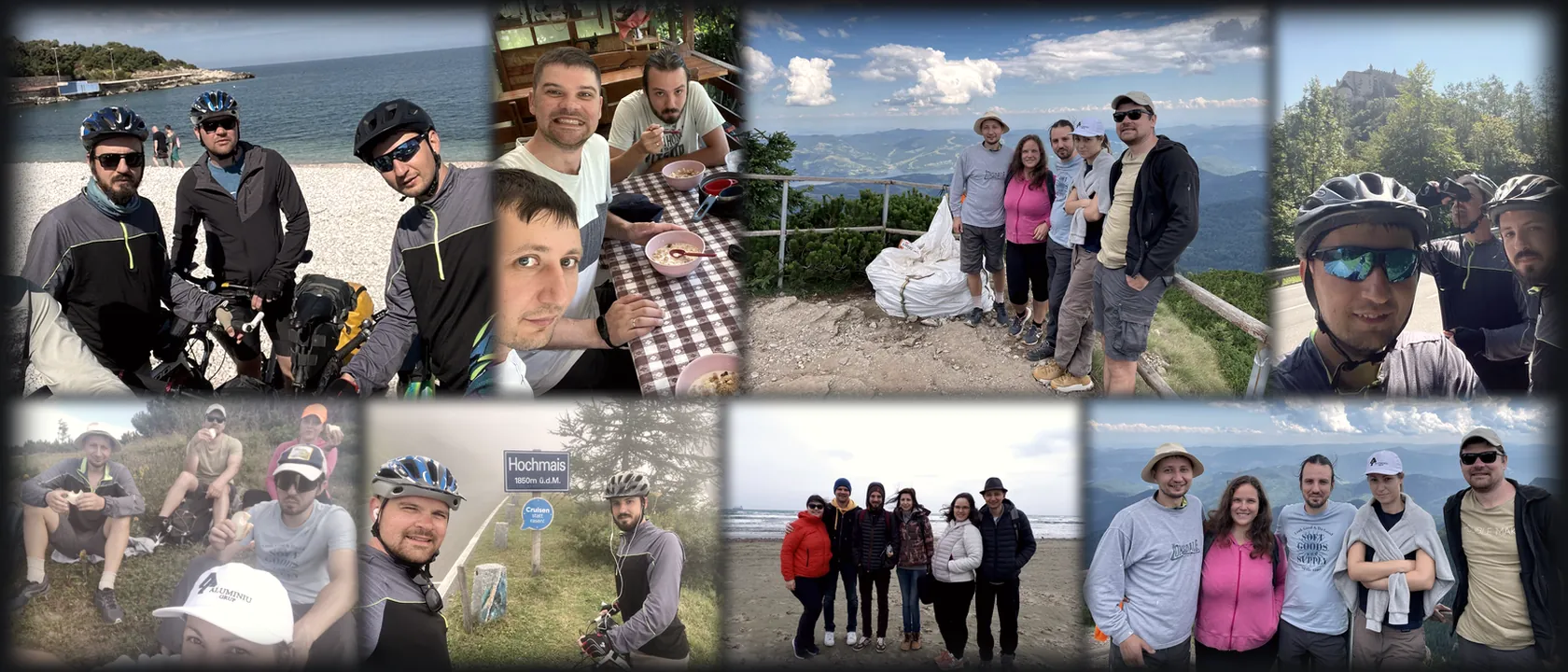
Andrei and Dumitru have worked together since 2012. All three of us since 2014: first at Nicus-Design, then at Arialix, both times with Andrei as CTO. That is more than ten years of understanding each other — which is why nothing gets lost when a task passes between us.
We also talk outside work — shared hobbies, shared friends, our families know each other. Which is why a conversation about a project moves easily into an evening or a weekend, something our families are not always glad about.
AI writes drafts. We decide what goes to production.
The point here is not that we use it — everyone does. The point is that we work on a timer: an hour that AI saved simply never appears on your invoice. The speed-up goes to you, not to us.
A working prototype early enough that changing your mind is cheap. Arguing about an interface on a mock-up costs less than arguing about it on finished code.
Routine — migrations, markup, the plumbing around an API — is compressed. That is the part where experience decides nothing and hours used to go.
Tests. They used to be written when there was time left for them; now they are written alongside the code — and this is the case where the speed-up shows not in the schedule but in how much breaks later.
More of our time is left for the places that need a human decision: architecture, integrations, reading someone else’s code.
We do not hand architecture decisions to AI, we do not let generated code into the repository unreviewed, and we do not call work done until it has been read by the person who will maintain it.
A large project gets a large team — but only if the task calls for it, and only after a conversation with you. Nobody appears on your project without your knowledge. The circle is not picked by one person: if a designer is needed, they are brought in by whichever of us works with interfaces every day; if another backend developer or a sysadmin is needed, by whoever will be working alongside them. The person who will sit next to them knows who to call better than any contact list.
Whether you talk to the person we brought in is your call. If the specialist is narrow and the question is in their area, we usually suggest bringing them into the conversation ourselves: relaying it through third hands loses more than it saves.
Our limit is not complexity. Our limit is how many projects we run at once, and we would rather say we are busy than miss a deadline.
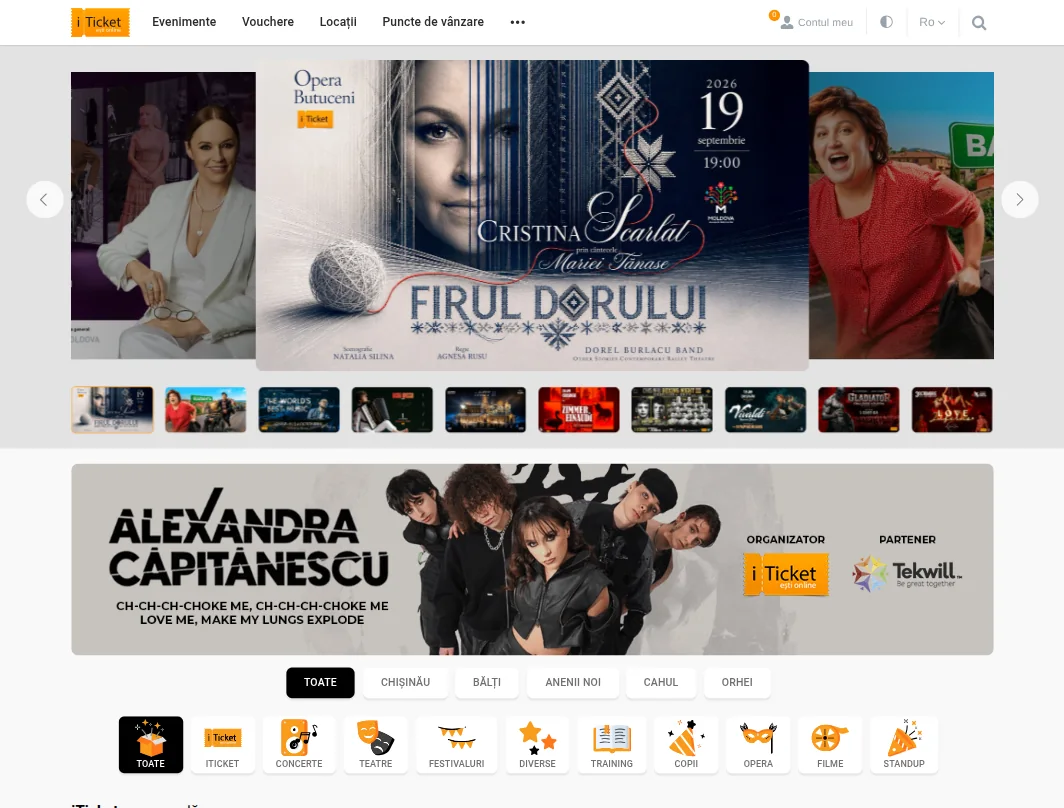
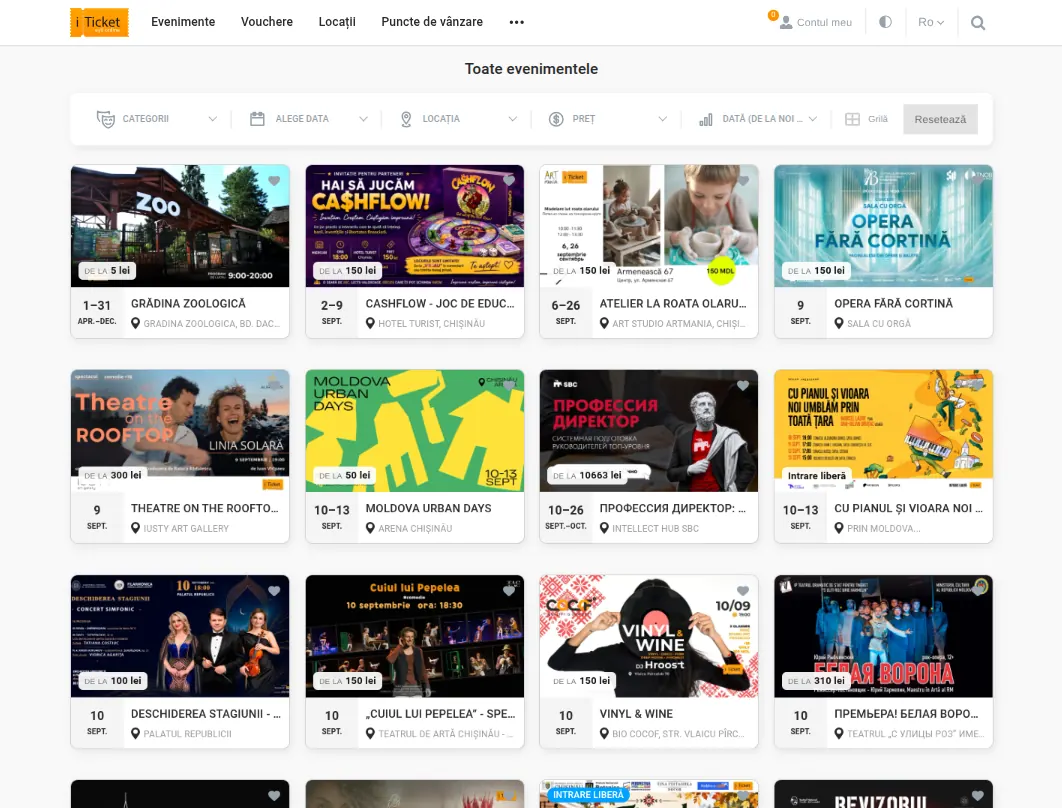
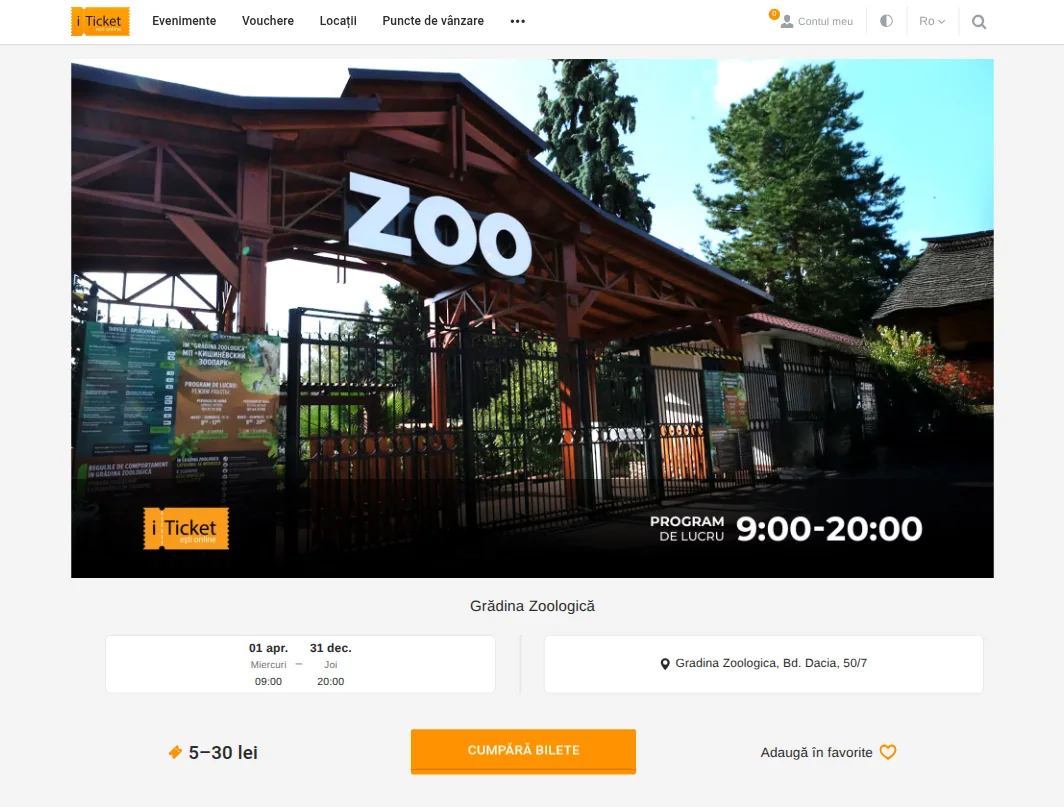
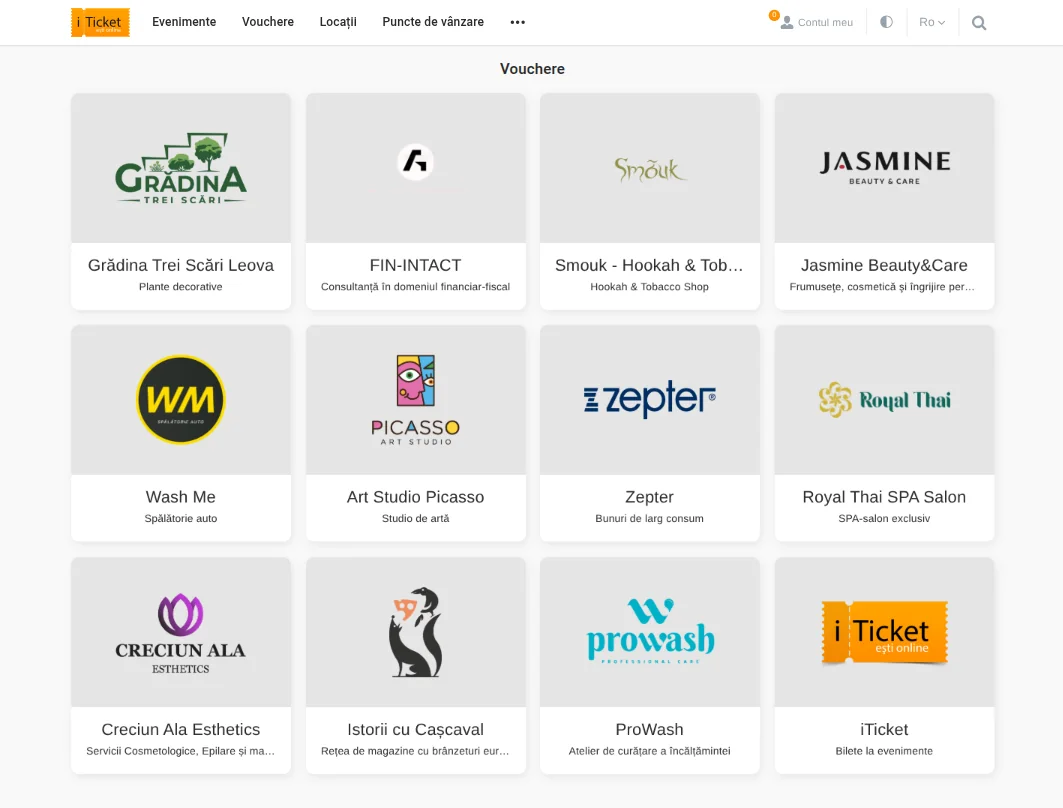
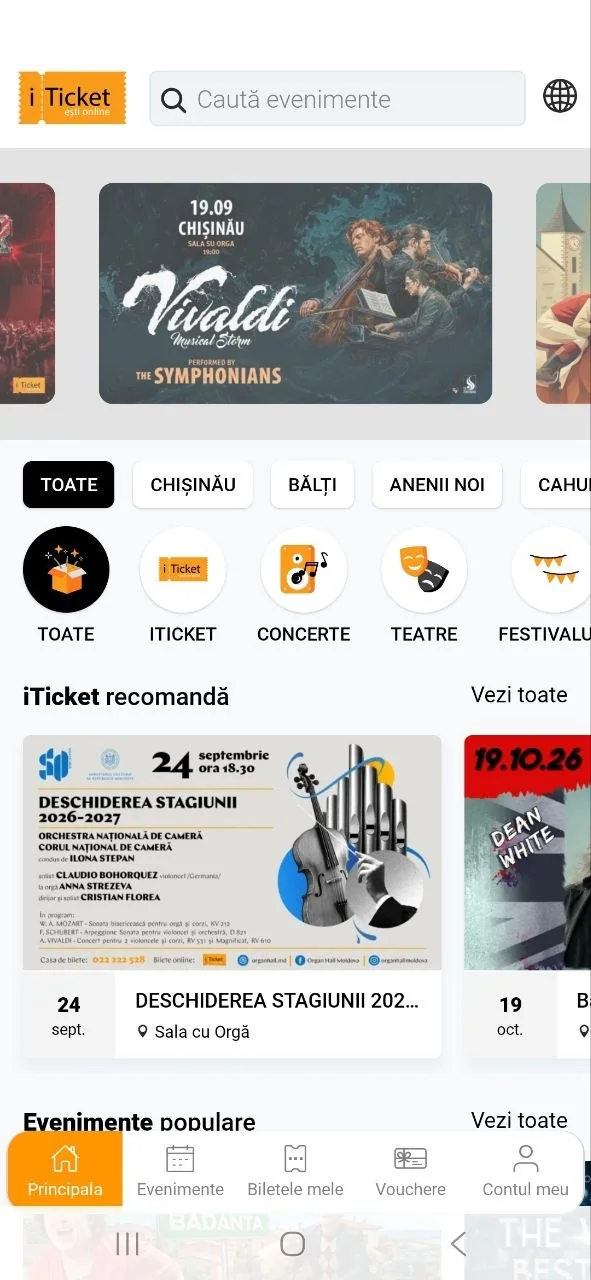
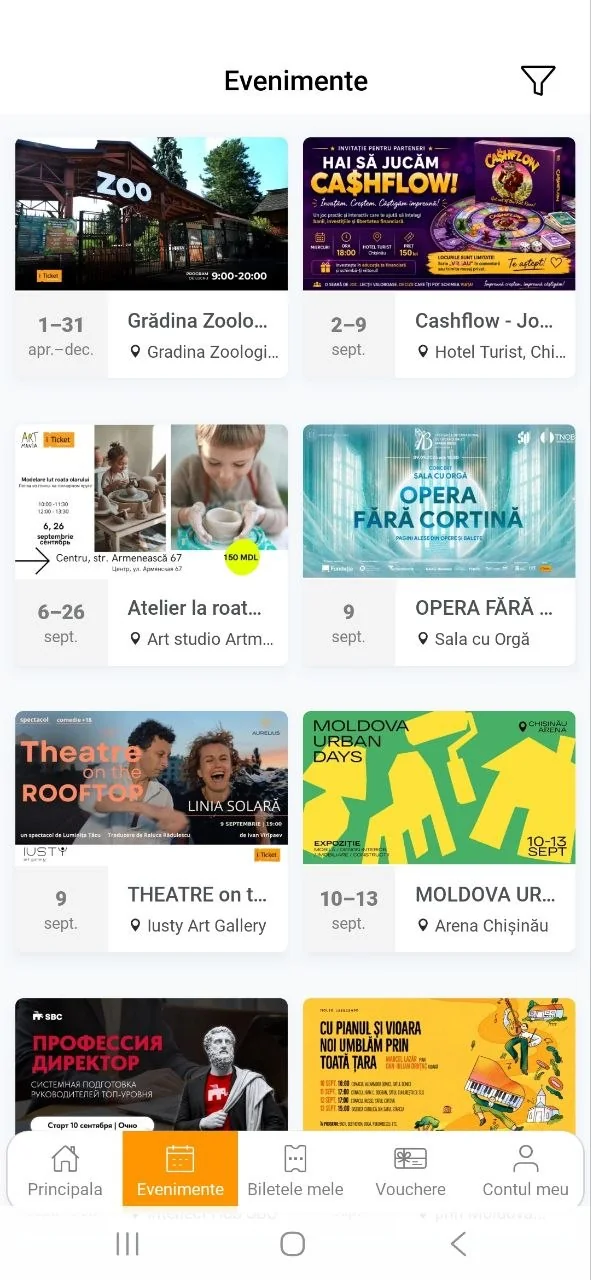
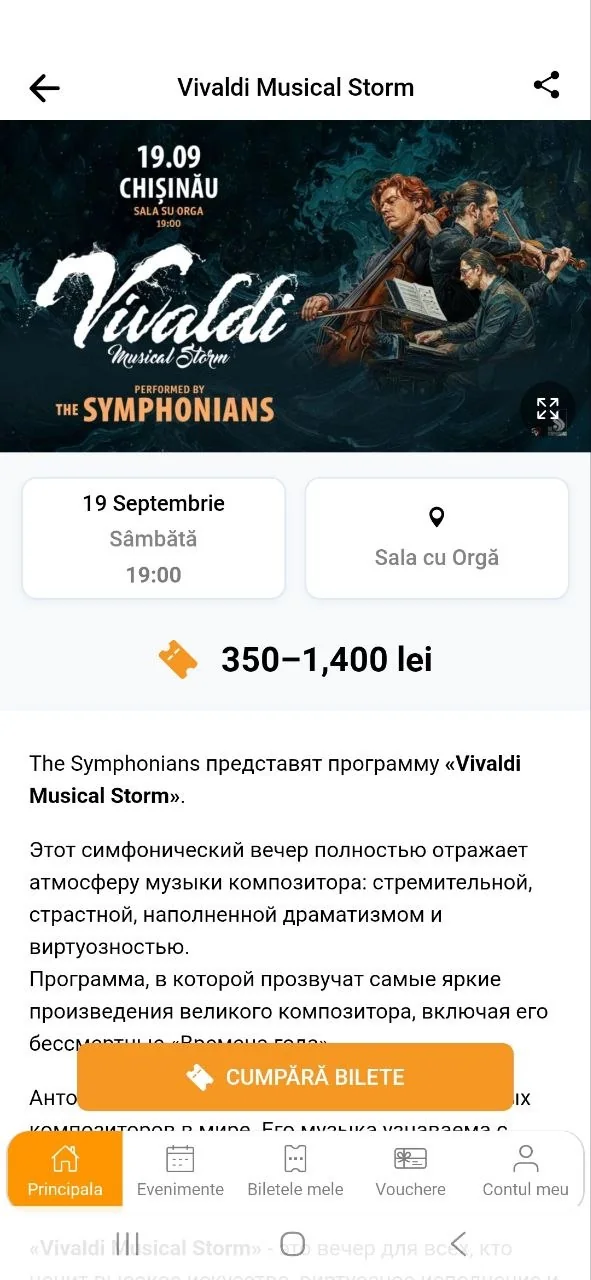
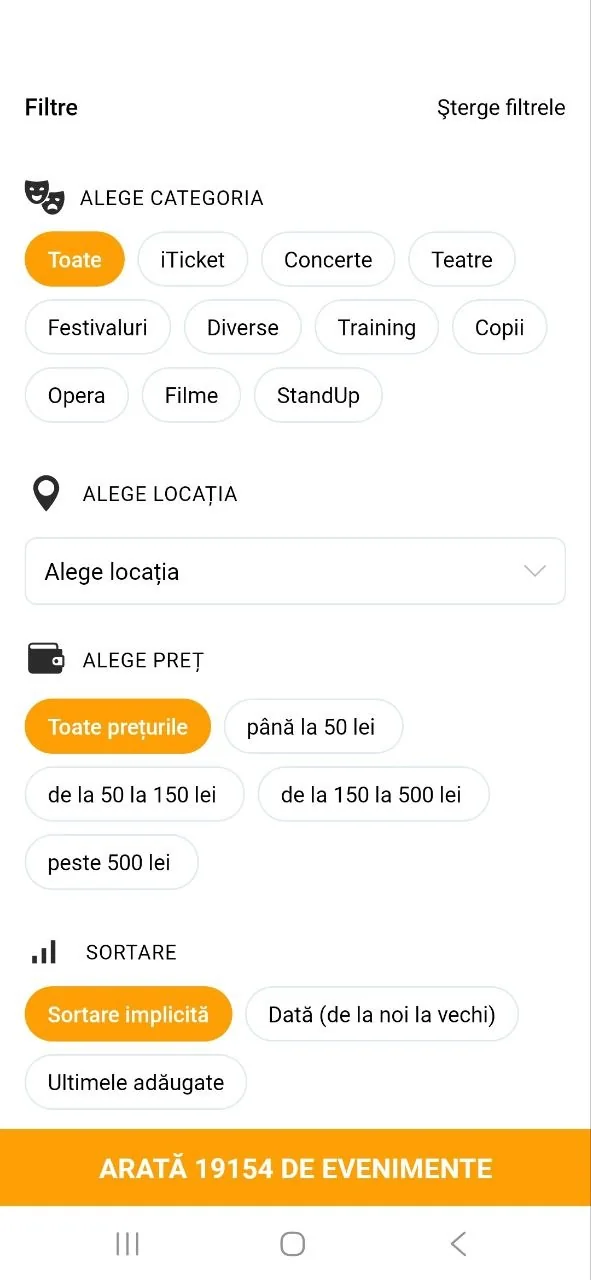
A ticketing platform for Moldova and Romania: public site, organiser portal, box office, buyer and scanning apps, entry through turnstiles. Three languages — RO/RU/EN. In active development and support for many years now.
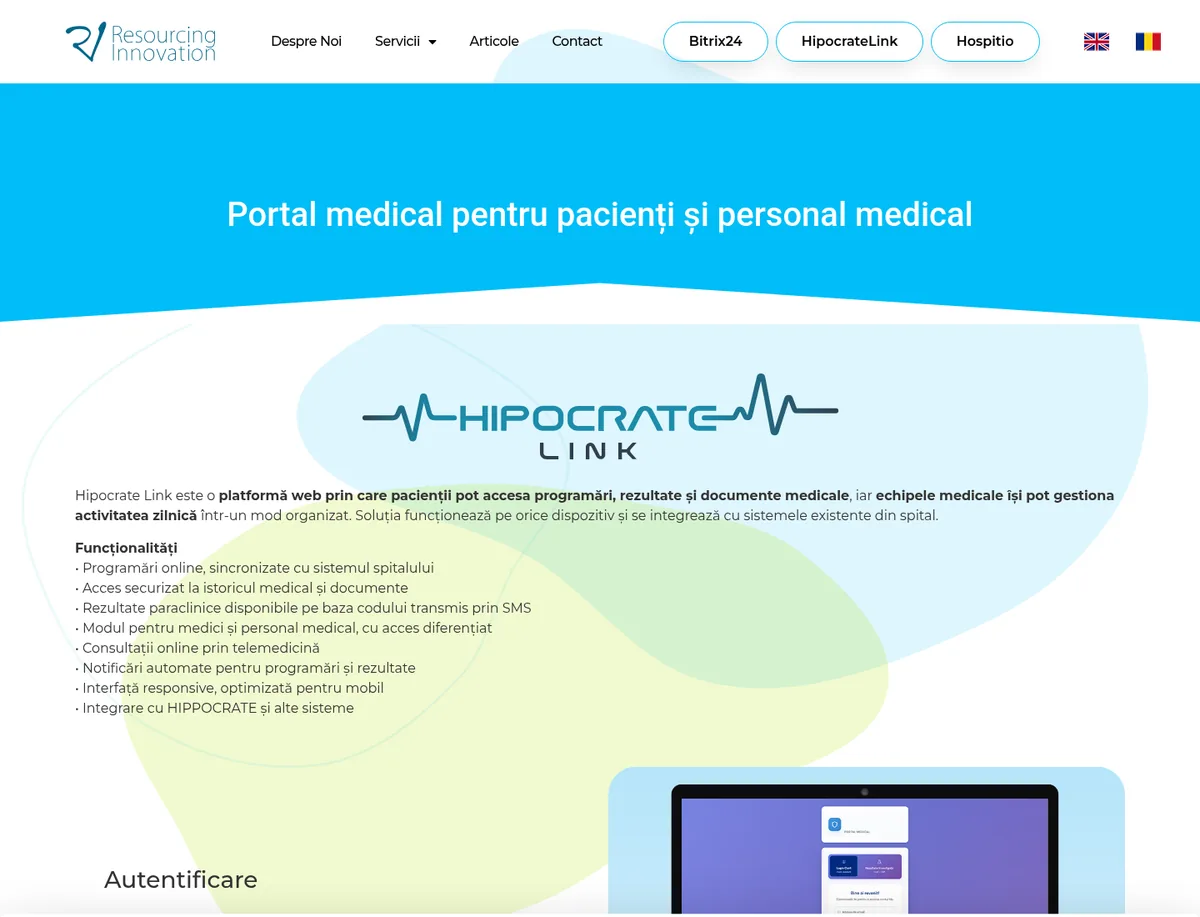
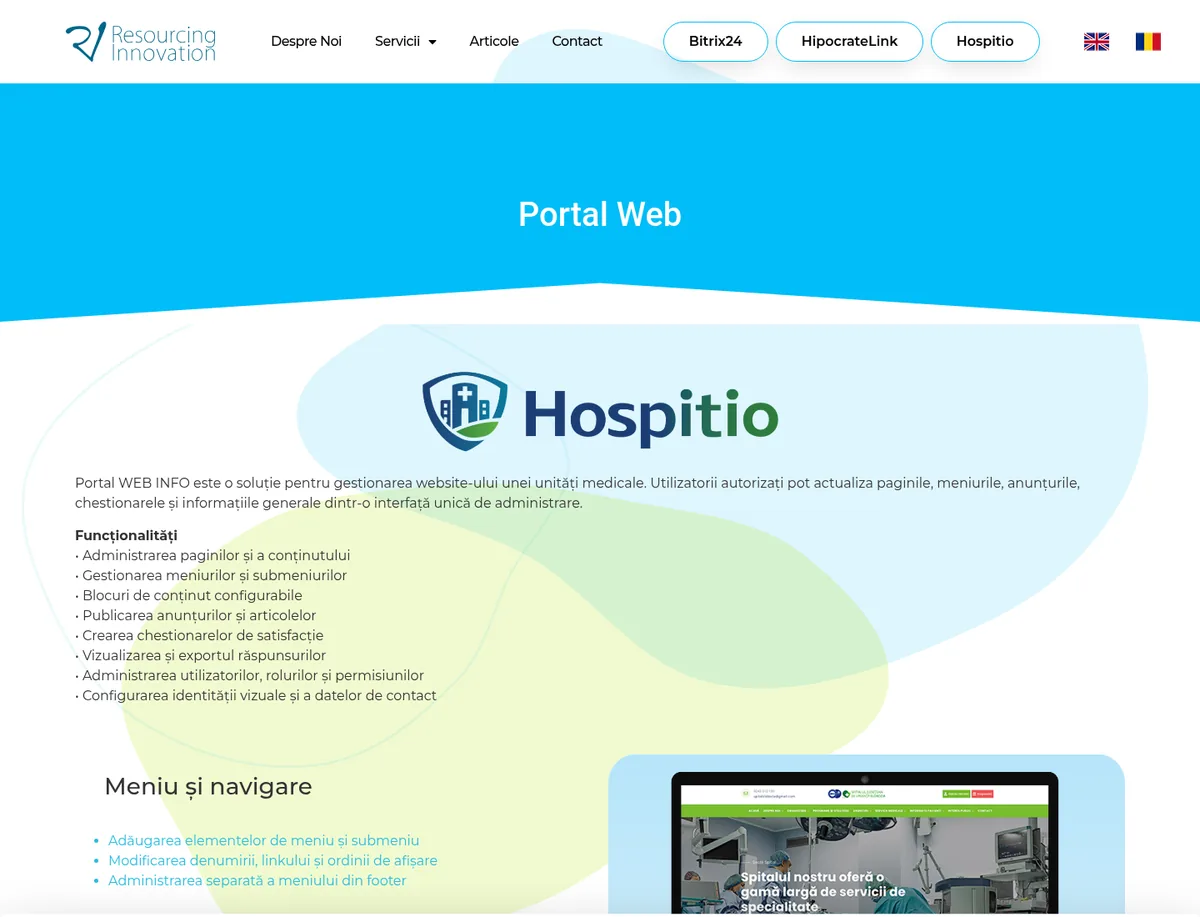
Two parts of one body of work for Romanian hospitals. Hipocrate Link is the patient portal: test results, admission history, appointments, documents and video consultations, taken straight from the hospital information system through the HL7 and FHIR standards; running in more than twenty hospitals. Hospitio is the platform on which a hospital runs its own public site and collects surveys; in more than ten.
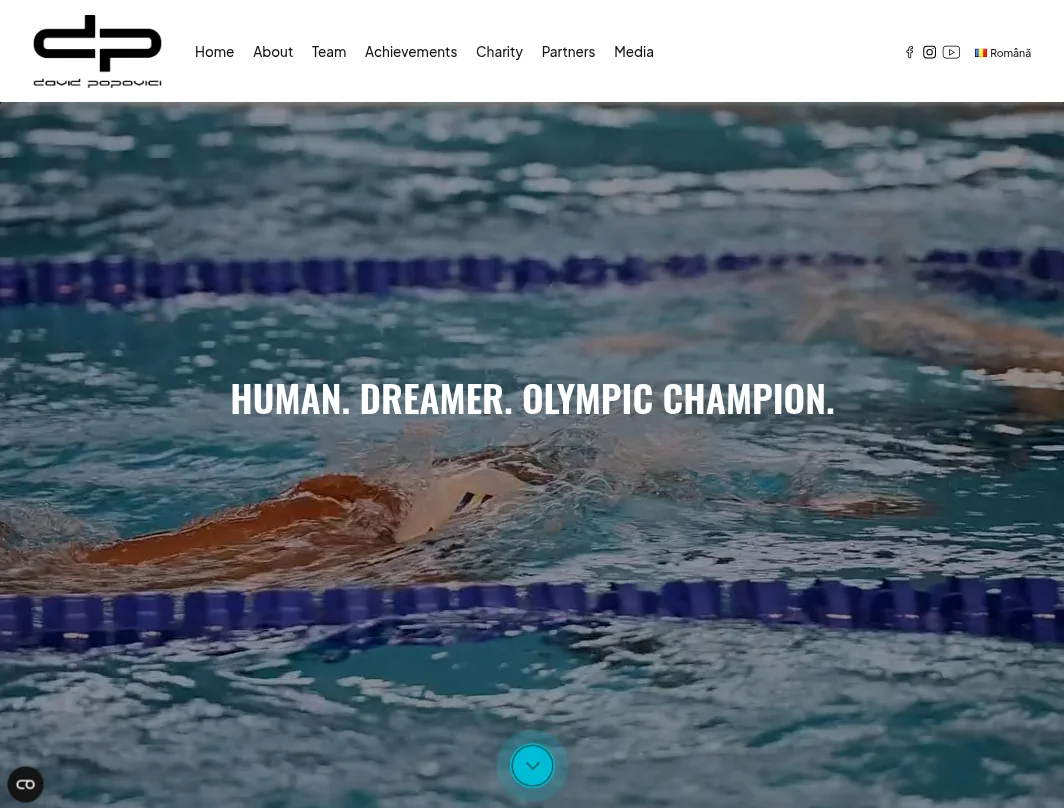
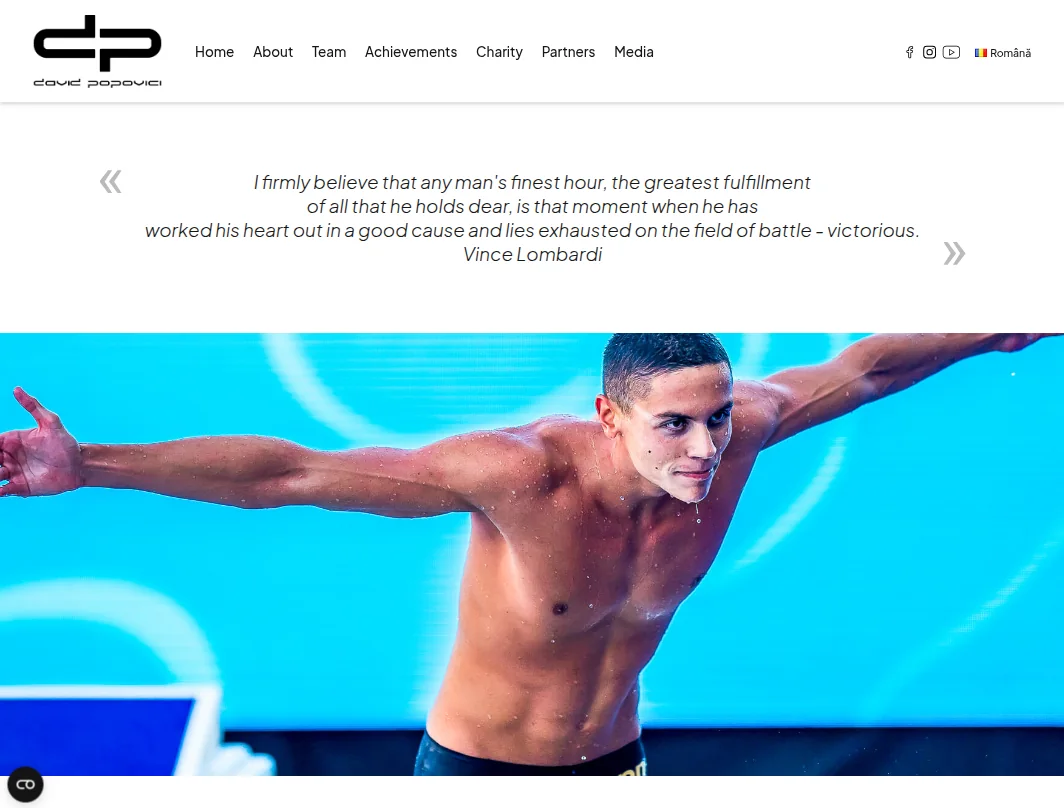
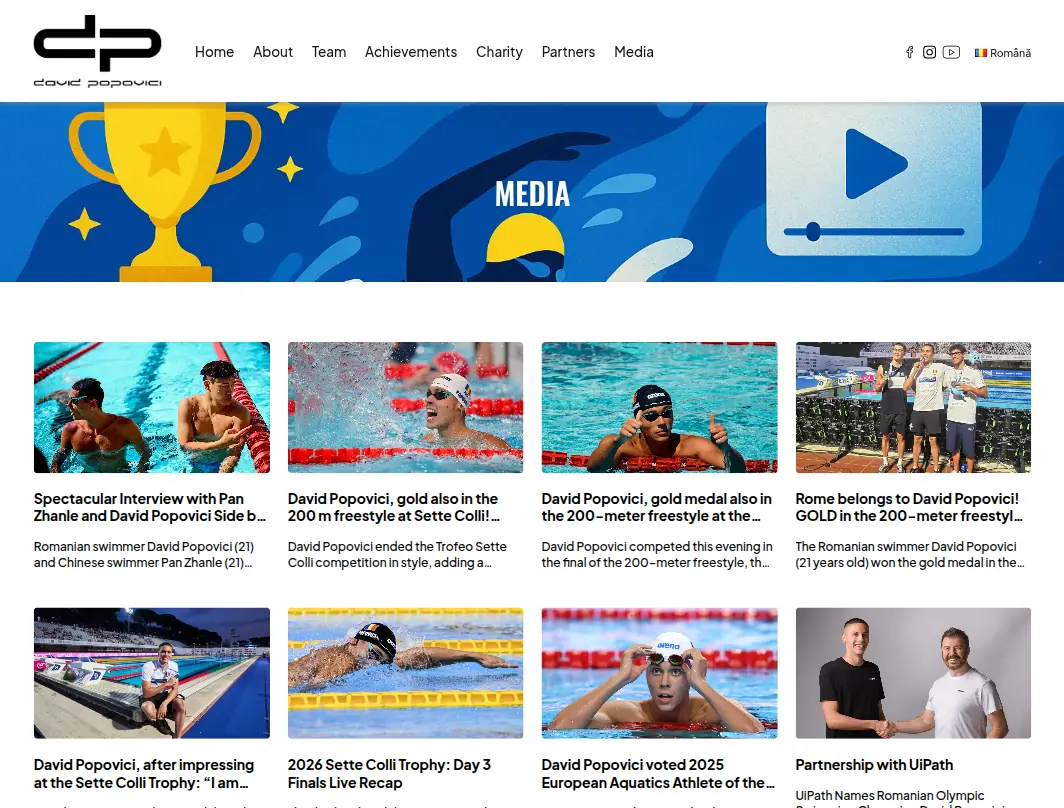
Website of Olympic swimming champion David Popovici — bilingual RO/EN, full-screen video on the first screen, achievements, charity, partners, press. Ongoing support.
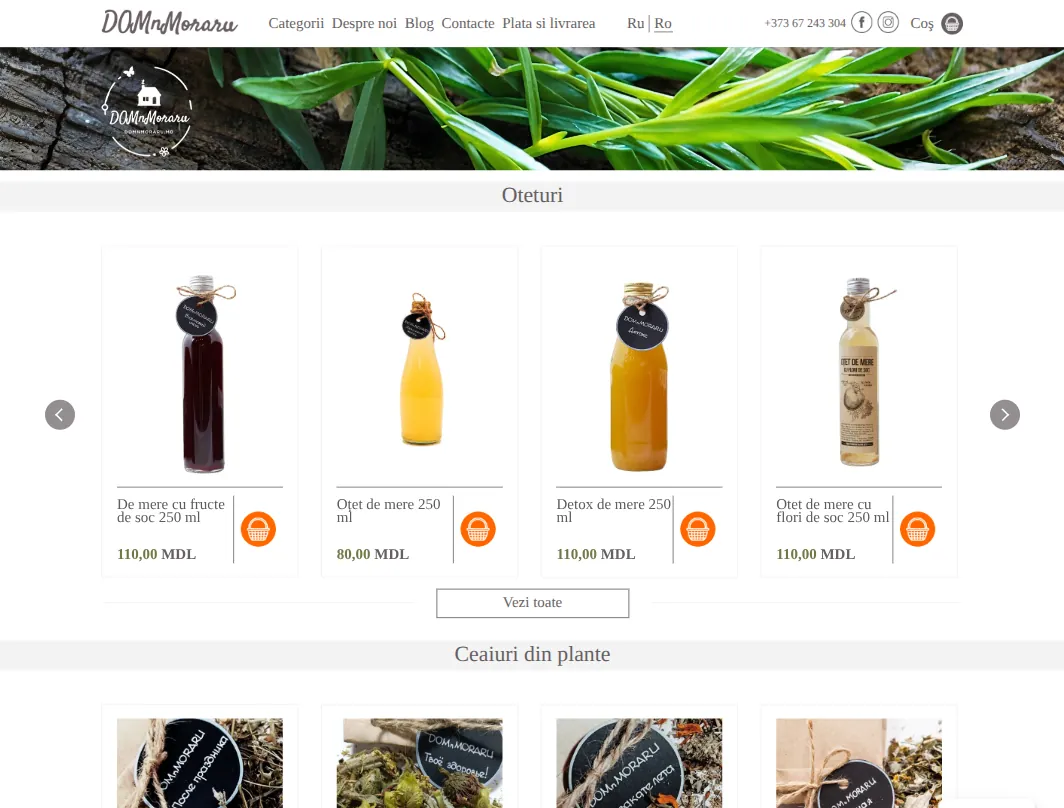
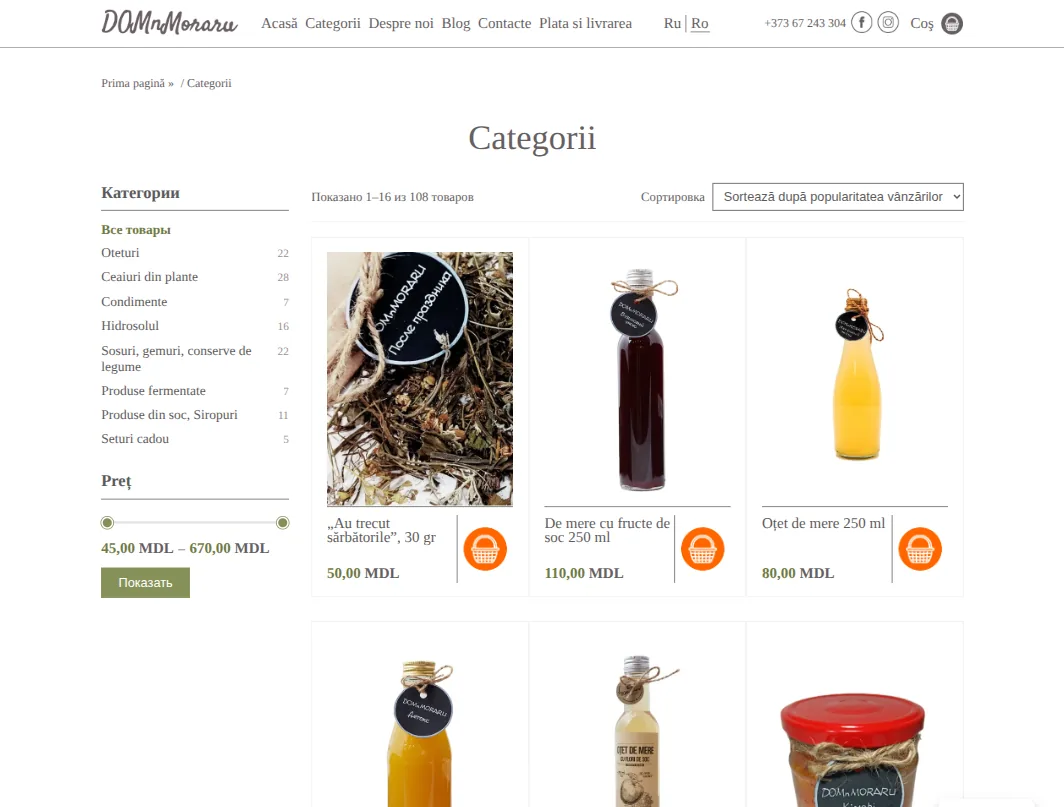
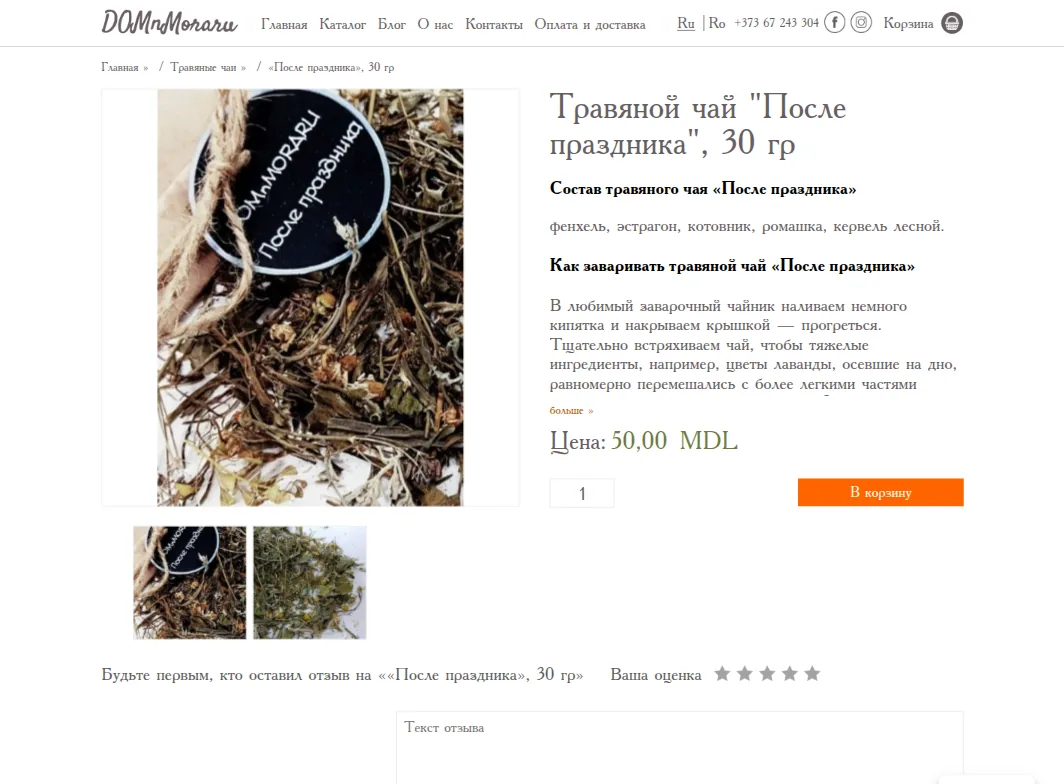
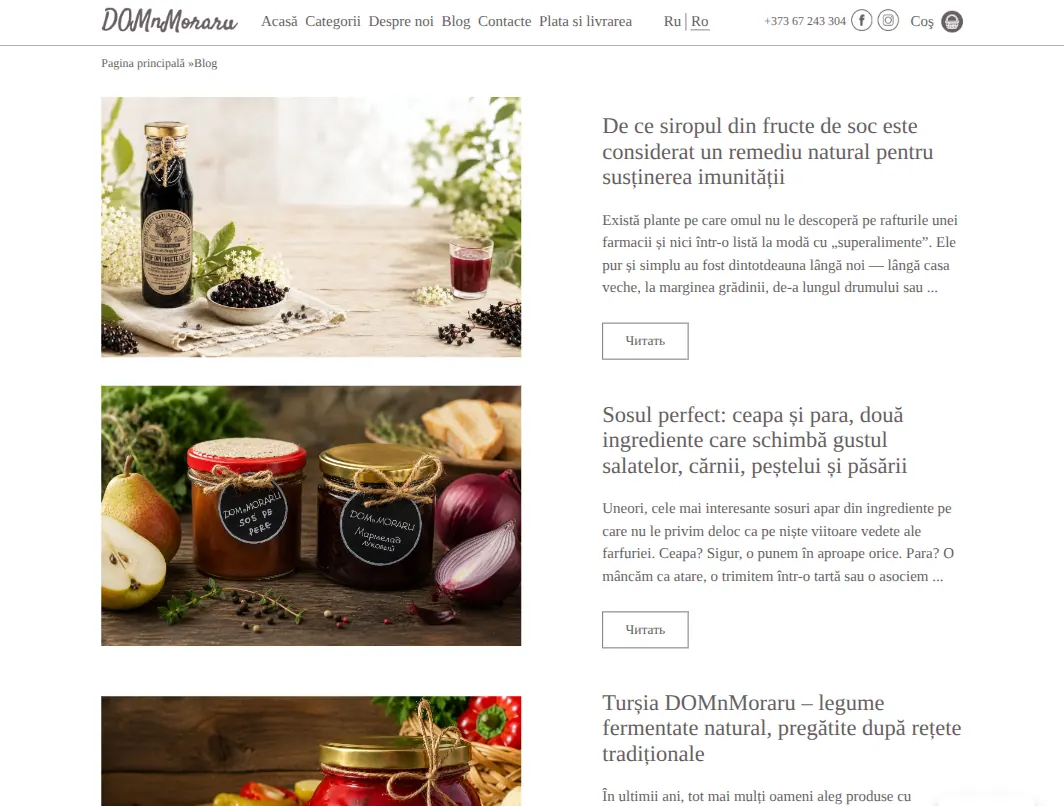
A Moldovan online store — craft vinegars and herbal teas: catalogue, cart, checkout, payment and delivery, bilingual RU/RO.
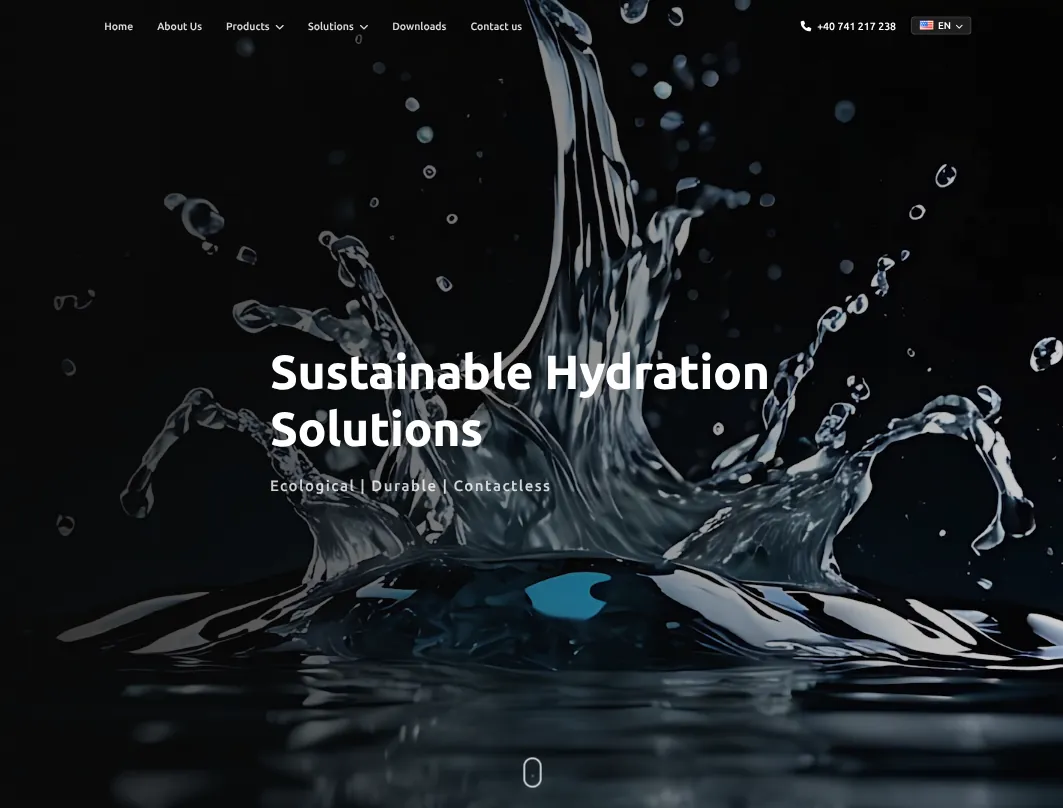
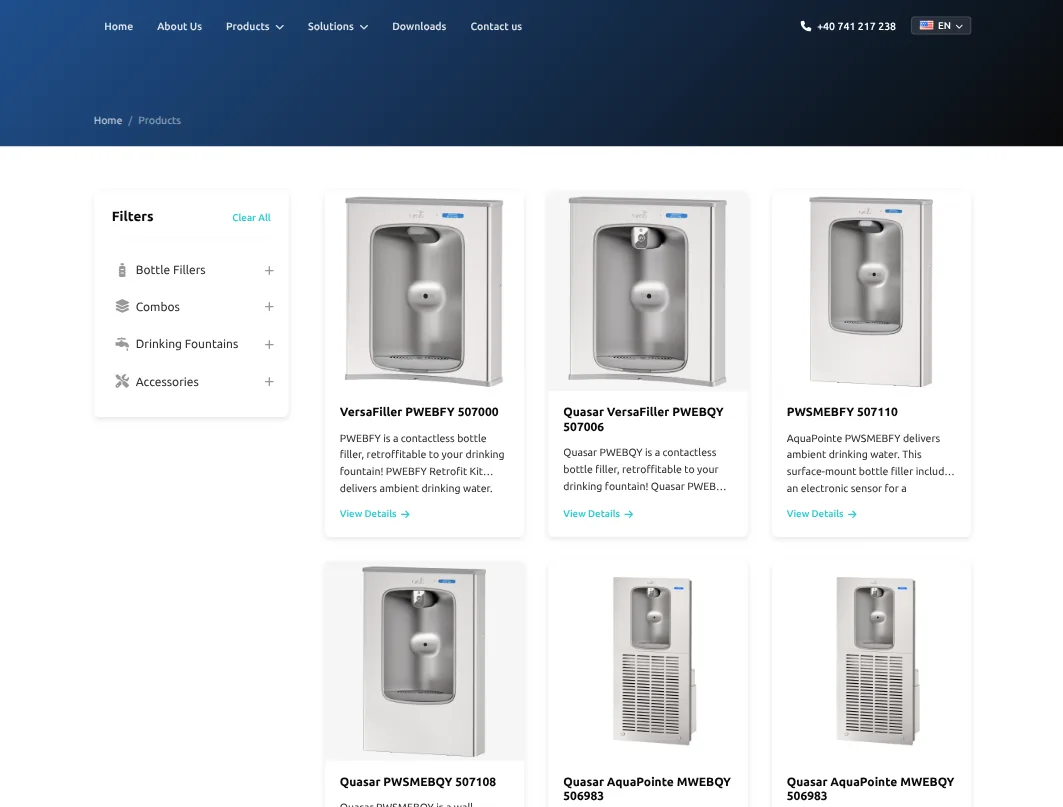
B2B site for contactless public drinking fountains for the Romanian market — products, solutions, documentation. Design and development from scratch, ongoing support.
Two large projects and three websites here — the rest sit on the service pages: web apps and internal systems, APIs, integrations and payments. A significant part of our work is covered by agency NDAs. Examples on request.
We work by the hour — but you learn the number of hours in advance. We first rework your technical spec into a document that leaves no questions, and only then give an estimate. Counting hours from “we need a website” is guesswork you pay for.
Time is tracked on a specific task, not estimated after the fact. There is no line in the invoice saying “development — 40 hours”: there is a list of tasks and the hours on each. You see where your money went down to the last hour — including the parts we ourselves consider to have gone slowly.
We track in Toggl and the report is open to you: once a month you get hours by task, what is done and what is planned next. From which a simple consequence follows: it is only in words that speeding up is against our interest — on a timer, faster means cheaper for you, and we do it anyway.
On a fixed price the contractor has to build in a buffer — otherwise any surprise eats the profit. The industry norm is 15–30 % on top, and the usual advice is not to show that buffer as a separate line but to bake it into the estimate so the client sees one confident number. So the buffer is always there in such an invoice — you simply do not see it, and you pay for it whether or not it was needed.
We have a buffer too — but in the estimate, not in the invoice: it shows how far the work could stretch in the worst case. The invoice carries hours worked, so if it was not needed it is not paid for. If the work took less, you pay less: we do not profit from caution, and you do not pay for someone else’s insurance.
The main format. We rework your spec, estimate in hours and work on a timer. There is no separate invoice for work on the spec — those hours are already in the estimate.
Something already runs and has to keep running, keep growing and not break.
You have developers and need one more pair of senior hands for a while.
With whichever of us does the project, or with the lead developer if the project is larger. We are three independent developers, not a company, so the contract follows the work. We agree the exact form with you before the work starts, not after.
You do. We work month to month and invoice for work already done, so repository access can be handed over at the start rather than at the end — there is no reason for us to hold the code until the final payment.
The work continues without a restart: two of us work on the same backend territory and two on the same mobile stack. And it is not only about the stack: we talk constantly and each of us knows what is happening on the others’ projects, so picking things up does not start from a blank page.
Monthly. Once a month you receive a time report and an invoice for hours worked — you pay for what is already done, not in advance. For a particular task the arrangement may differ; that is agreed before the work starts, not after.
No. Each of us is registered in Moldova separately and pays the tax on this income themselves — you pay the invoice in full, and no payroll taxes or social contributions arise on your side, as they would with an employee. For a company in the EU this is a purchase of services from outside the Union: you account for the VAT yourself under the reverse-charge mechanism, usually deducting it at the same time. Closing documents are provided.
Yes. A significant part of our current work is already under one.
We work remotely with clients anywhere, time zone EET. We speak and write Romanian, Russian, English and Bulgarian.
One message reaches all three of us. Write what you need and roughly when; the one who fits the task will answer. If you already know who you need, write to them directly.
This is the way in. Whoever fits the task answers.
tier 1 — platform
A platform for ticket sales and event management: from publishing an event and picking a seat on the hall plan to payment, ticket issue, entry control and settlement with the organiser. Six interfaces in one product, two markets with their own tax rules — Moldova and Romania — interface and content in Romanian, Russian and English. In active development and support for many years now.
iticket.md iticket.roEvent catalogue, search, hall plan with seat selection, checkout and a personal account. Different prices by sector, row and individual seat; a temporary hold prevents one seat being sold twice and releases itself if payment does not go through. Three languages each with their own URLs, structured data and sharing images, cookie consent.
Creating and running events, your own team, sales reports. Several companies and contracts per organiser, commission tiers and carried-over advances, commission split across separate accounts, electronic invoices into the fiscal system, configurable rules for cancellations and partial refunds.
Internal operations, financial statistics, accounting reports with export to Excel and PDF. Role-based access rights and a full change log, GDPR flows for deleting and transferring personal data. Interface texts are edited by the client’s team, without developers.
A physical point of sale: issuing and printing a ticket on the spot from templates configurable per event.
Buying a voucher, sending it to a recipient, redeeming it against a ticket order, and scanning.
Search, promoted events, category chips, filters by city, tabs for tickets, vouchers and the account. Payment by card, by QR straight from the banking app, from the account balance, by invoice or on delivery — with a transaction history and its own error handling for each method. Push notifications.
Ticket control at the entrance for venue staff: QR scanning and real-time statistics for the event.
Integrations with external partners, booking widgets for third-party sites, email and SMS campaigns with template preview, a referral programme with payouts, cashback campaigns and A/B tests. Entry through turnstiles belongs here too: the turnstile stands at the venue and speaks its own protocol.
tier 1 — platform
Two parts of one body of work for Romanian hospitals. Hipocrate Link is the portal through which a patient sees their own medical file: laboratory and paraclinical results, the history of consultations and admissions, appointments, documents and video consultations. The portal does not keep a parallel medical record; it takes the data straight from the hospital information system through the HL7 and FHIR standards, and runs in more than twenty hospitals in Romania. Hospitio is the platform on which a hospital builds and runs its own public site and collects satisfaction surveys; it runs in more than ten. Both are installed separately for each institution, with their own domain, content and look. Built as developers within the Rinnovation team.
rinnovation.ro/hipocrate-link rinnovation.ro/hospitioLaboratory and paraclinical results — as soon as the hospital confirms them. The history of consultations and admissions by type: outpatient, inpatient, emergency, day hospital. Upcoming and past appointments with their status. Documents, reports and images in a single list. A period filter with quick ranges that stays in the page URL — the link can be saved or forwarded. The patient can upload their own documents too, within a quota.
One account handles the files of several people — children, parents, those in your care. Each added person is verified separately in the hospital system, and only then is the data shown. Switching between files takes one click, and each switch is recorded in the access log.
Exchange through the international medical standards HL7 and FHIR, not through exports and intermediate files. Patients, consultations, appointments, documents, departments and medical staff are taken from the hospital system. A multi-level cache keeps the portal fast and takes load off the hospital system. A separate integration with medical imaging systems. The full ICD-10 diagnosis directory with Romanian names — for classification and search.
A video consultation between patient and doctor straight in the browser, with no apps to install. Scheduling of consultations and automatic reminders before they start. Video providers are interchangeable: a hospital can use what it already has. A doctor reaches only the consultations assigned to them.
A list of active patients and access to their file in the context of a consultation. Unscheduled video consultations as things come up. Two-step sign-in through an authenticator app, trusted devices and recovery codes.
Accounts, institution settings and access logs. Lockout after repeated failed sign-ins, individual codes for test results and a limited lifetime for sensitive documents, temporary links for handing over a document, a full log of actions on medical data. Privilege separation at database level, documented procedures for backup, security testing and maintenance, and a flow for deleting an account and its data at the patient’s request.
The institution’s public bilingual site: presentation, information for patients, news, documents. Every text, heading and list item exists in Romanian and in English, with a language switch on the site and a fallback to Romanian where a translation is missing. Multi-level menus are assembled by dragging. Fast search across all content.
More than twenty-five ready block types from which any page is assembled without technical knowledge. Some are sector-specific: the duty rota and emergency contacts, the list of departments and services, the medical team, tariffs, free beds, an appointment form. Some are general: slider, galleries, text with image, key figures, map, timeline, tabs, video, latest news, downloadable files. A document library with folders — for transparency of decisions and procurement. A separate block for redirecting 3.5% of income tax, for hospitals that accept donations. Block order on the page and scheduled publication by date.
Surveys are assembled from sections, with single choice, a list or free text, and published into any page as a block. Answers are marked by session so duplicates are not collected; every submission triggers an email and everything comes together in the admin panel. The main use is measuring patient satisfaction, a standing requirement in the health system.
Administrative accounts with roles and fine-grained rights, kept separate from the public ones, email confirmation on creation, and a full log of who changed what and when. Application settings are edited from the interface, without code. One platform is installed independently for each institution — its own domain, content and look; a new capability reaches every hospital without being rewritten. Deployment is automated, and the test and production environments are separate.